
Still Buzzing
Planting for bees in winter

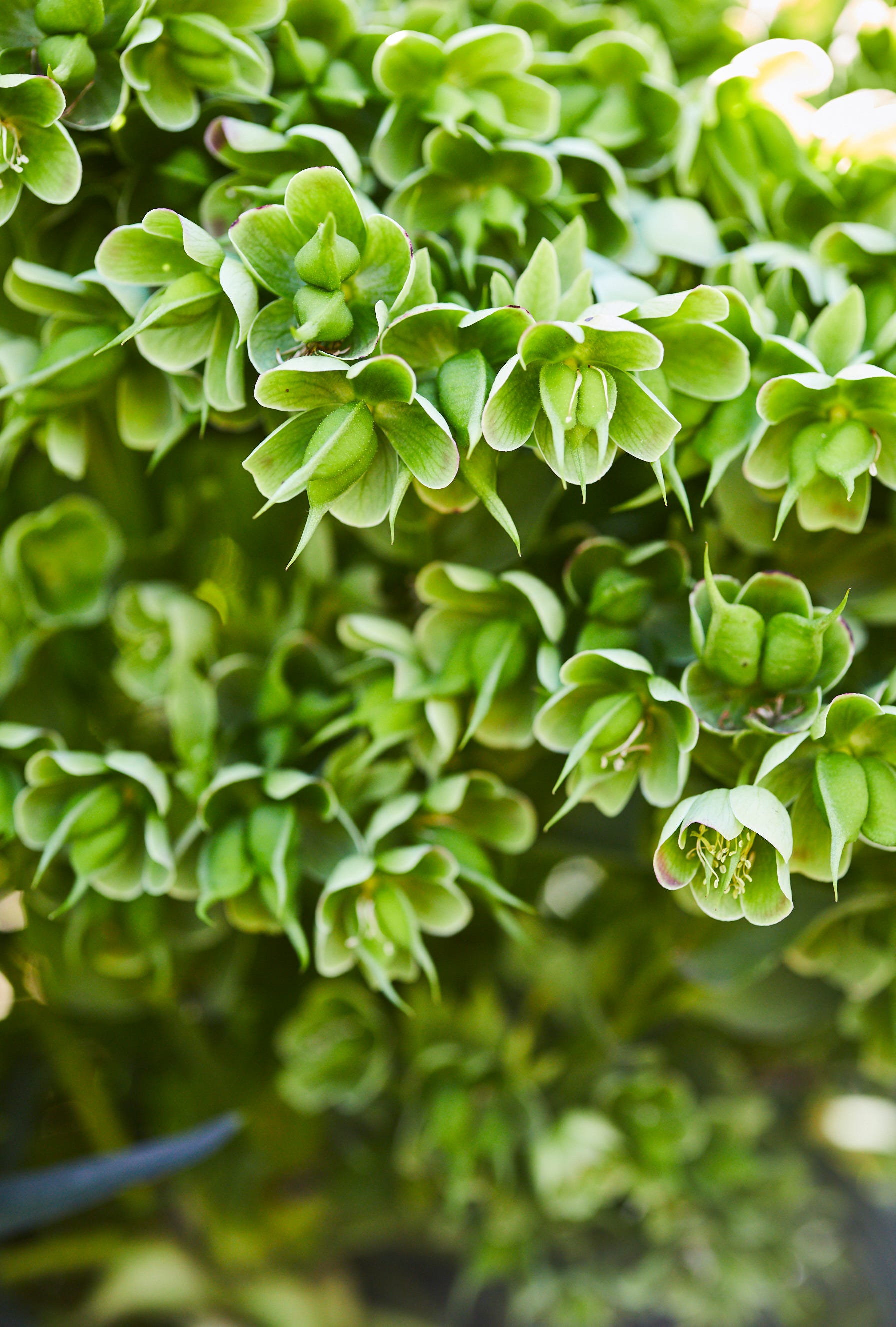
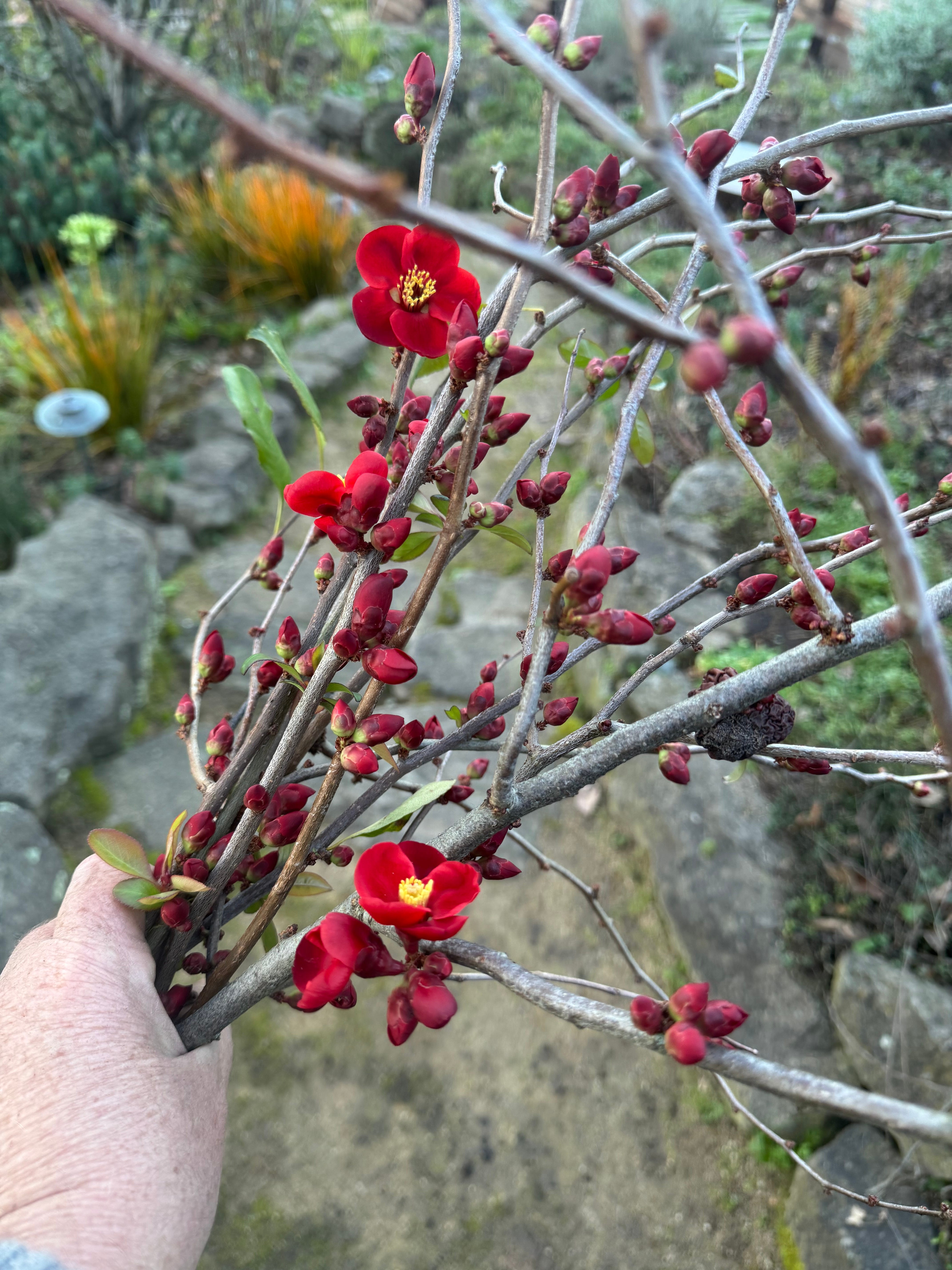
Our California bees have been blessed with a mild winter. On sunny days, they’re already out foraging—dusty with pollen from early-blooming hellebores, ornamental quince and rosemary in the garden. You can see they are foraging a variety of pollens as there is a wide variety of shades of pollen being brought into the hive.
And the biggest winter news: both of our hives at Homestead are alive!
Winter always keeps us on edge. Every beekeeper knows that uneasy question—will they make it?—lingers until spring arrives.
Last year, the answer was devastating for many. Commercial beekeepers reported record losses, with a nationwide survey from the Honey Bee Health Coalition revealing catastrophic colony collapse across the United States. Commercial operations experienced an average loss of 62% between June 2024 and February 2025—losses that far exceed historical trends and threaten crop pollination for almonds, fruits, vegetables, and many of our essential food systems.
Backyard beekeepers didn’t fare much better. Small-scale operations like ours reported winter losses closer to 50%.
Put simply: the bees are in trouble.
Honey bees today face a convergence of threats—parasites, pests, disease, pesticide exposure, and inadequate nutrition. Any one of these can weaken a colony; together, they can be fatal.
At Homestead, our bees have a few advantages. Most importantly, they have access to a diverse and nutrient-rich diet. We’ve intentionally planted the garden to ensure something is always blooming—even in winter. This steady availability of nectar and pollen supports stronger immune systems and more resilient colonies.
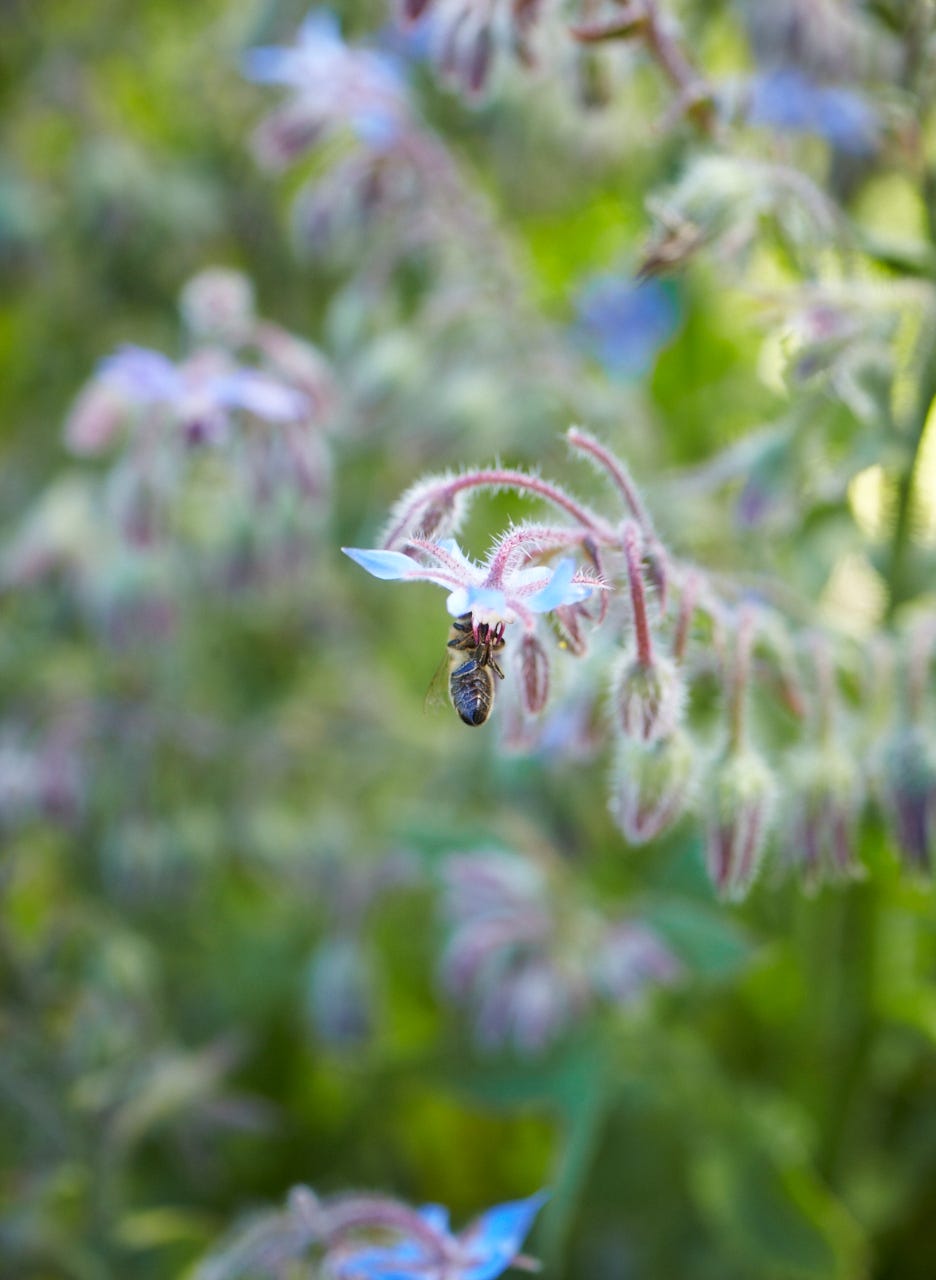
We also do not use pesticides in our gardens. Pesticide exposure is an ongoing area of research within universities and the beekeeping community, but one prevailing theory is sobering: flowers, trees, and plants absorb systemic pesticides, which then concentrate in nectar and pollen. Bees unknowingly bring those toxins back to the hive, where they can weaken—or in extreme cases, destroy—entire colonies.
This year, we made another intentional choice: we left more honey in the hives than ever before. It meant a more modest harvest for Homestead, but it gave the bees vital nutrition during the rainy weeks when they couldn’t leave the hive.
It’s still early in winter, and I find myself hoping for more rain. We’re keeping our fingers crossed that these two hives will make it to spring—and then explode into activity when true California spring arrives. With that abundance comes the next challenge: managing strong colonies and trying to prevent swarming.
Think good buzzy thoughts for our hives.
-Rosalind
A Note on Winter Foraging
Honey bees will venture out when temperatures reach the mid-50s (Fahrenheit). They won’t travel far, but they’ll search diligently for nearby sources of pollen and nectar—making winter blooms in the garden especially critical.
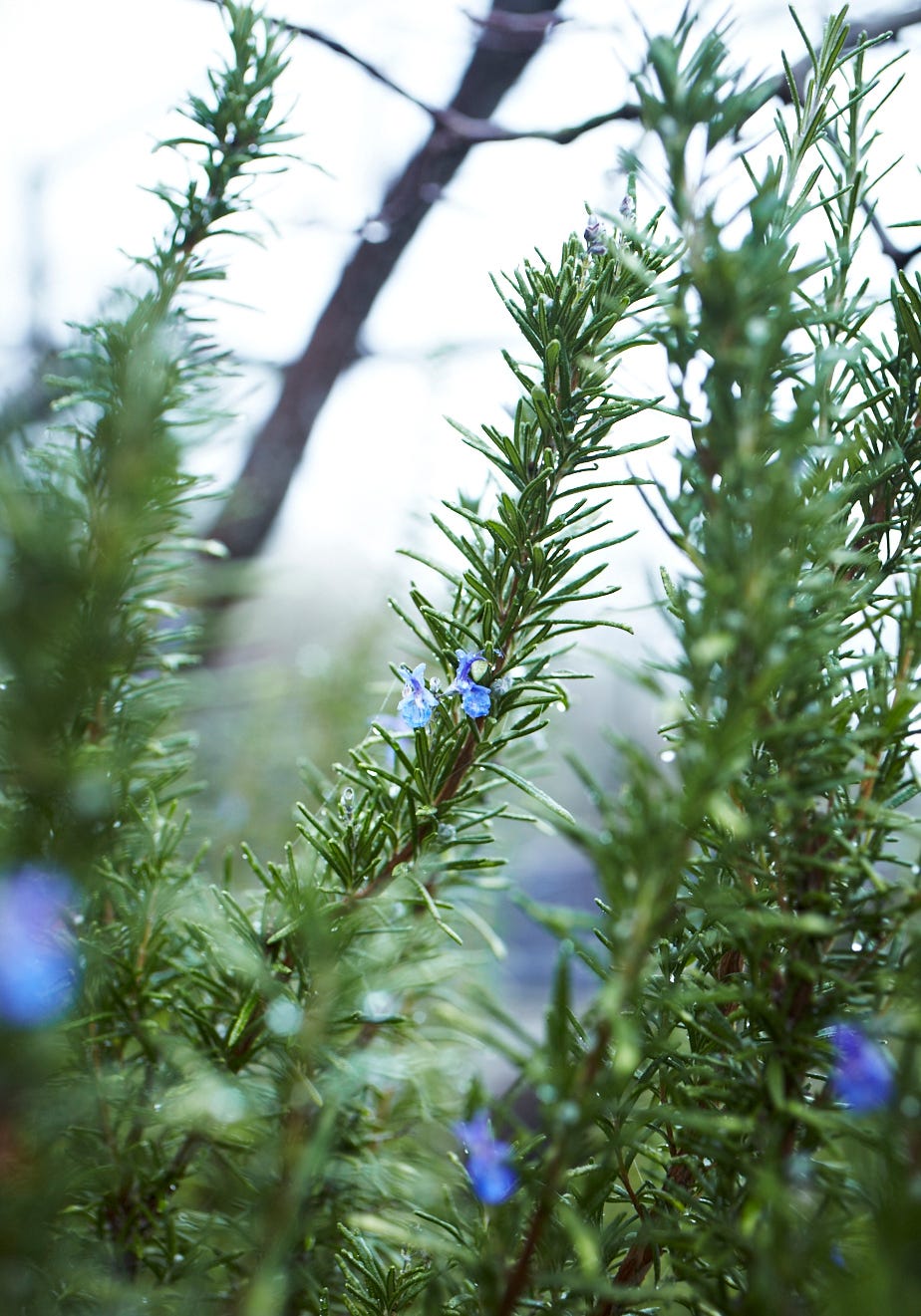
Winter Blooms for the Bees
Here are a few of our favorite winter blooms that provide both pollen and nectar for honey bees and native pollinators. Whether or not you keep hives of your own, planting winter-blooming plants is a meaningful way to support a wide range of pollinators when resources are scarce. As a bonus, these plants bring much-needed color, fragrance, and life to the winter garden—something we humans can enjoy just as much as the bees.
Annuals (edible & cut flower gardens, fruit tree orchards):
Calendula, Borage, California poppies
Perennials (landscape, herb & cut flower gardens):
Ornamental quince, Hellebore, Camellia, long-blooming Salvias like ‘Waverly’ and ‘Amistad,’ late-winter blooming Ceanothus varieties such as ‘Ray Hartman’ and ‘Snowball,’ Rosemary, Manzanita
Cover crops:
Yellow mustard, Clovers
Bulbs:
Crocus, Hyacinth, Snowdrops (a struggle here in the Bay Area, but a gift to bees in cooler climates)
2026 Classes - Lafayette, Ca
March 12, 2026 — Grow Your Own Salad In this interactive class, you’ll dive into the essentials of growing a vibrant salad garden.
April 16, 2026 — The Summer Garden Whether you’re a seasoned gardener or just starting out, this course offers invaluable insights into selecting the perfect tomato varieties, preparing your soil, and implementing effective planting techniques.
May 7, 2026 — Edible Flower Workshop Learn how to grow, harvest, and arrange stunning blooms that are as delicious as they are beautiful.
Really solid piece on why diverse winter blooms matter. The stat about 62% commercial losses is brutal, but the connection to nutrition diversity makes so much sense. I started planting rosemary and hellebores last season after noticing how much activity they got compared to everything else, and it felt like actual progress rahter than just hoping. Leaving more honey for the hive sounds likea good call too.